Best practice for syncing subscription orders to Shopify when the store also uses Loop

Hi all — looking to confirm my setup before this scales, and to hear how others are handling it.

My stack

• Funnelish checkout (live, taking orders)
• Shopify for fulfilment and inventory
• Loop Subscriptions installed on the Shopify store
• Selling both one-time products and native Funnelish subscription products (1 / 3 / 5 month intervals)

What’s working

One-time products are fine. Purchase trigger → Shopify → create order, variants linked, orders landing correctly.

Where I need confirmation

My understanding is that Loop can’t be involved here at all. Shopify subscription contracts are only created when the customer checks out through Shopify itself, since that’s when the payment method gets vaulted. Orders pushed in via the Admin API are records with no contract behind them, so Loop has nothing to bill against. That also explains why there’s no variant to link on the Funnelish side — a selling plan isn’t a variant, it sits on top of one. So Funnelish is the biller and Loop is effectively unused for funnel traffic.

Is that correct? I’d rather confirm than build on a wrong assumption.

Questions

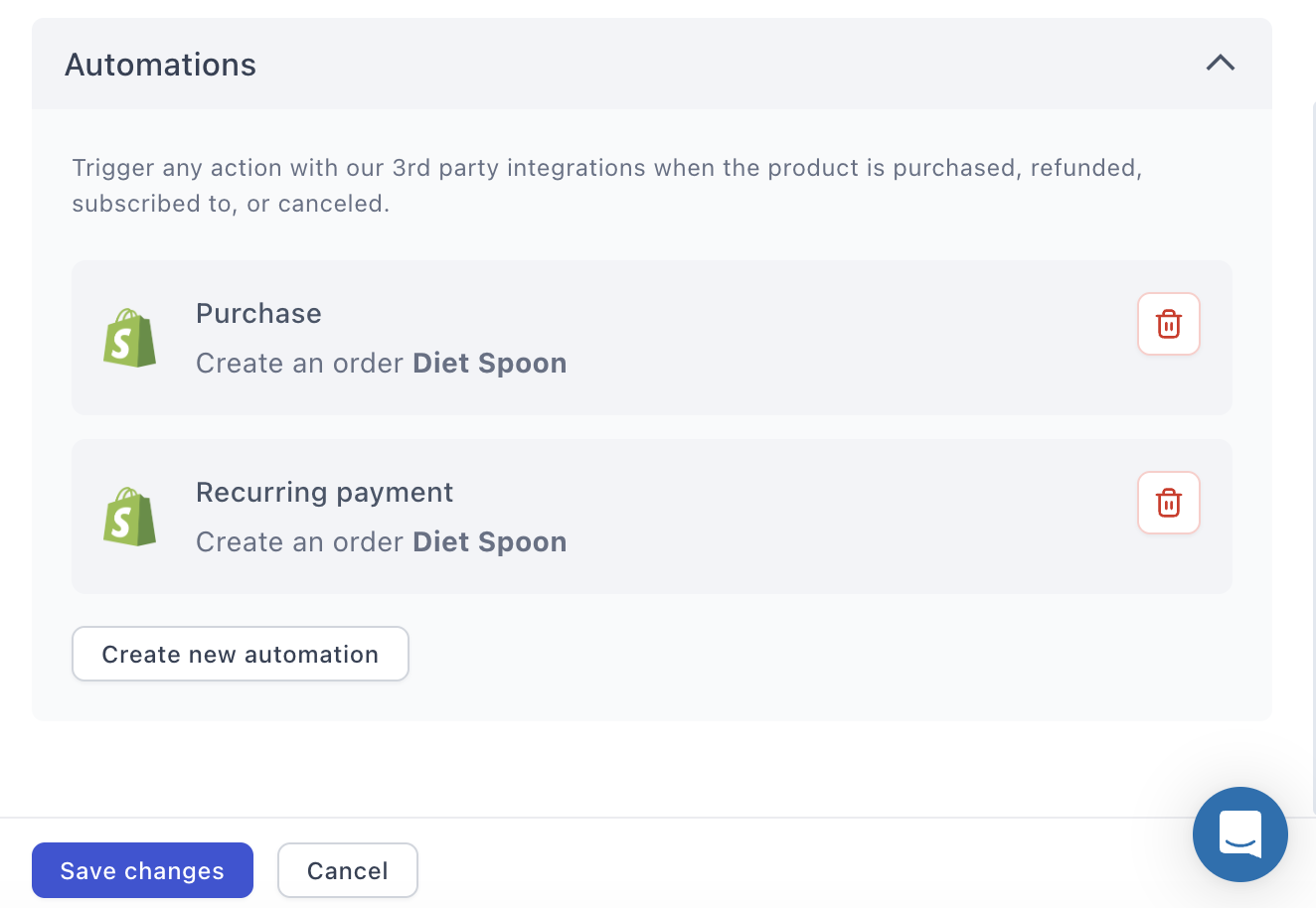
  1. For subscription products, is “Recurring payment” the right trigger? The docs say it sends the initial order plus every rebill — which means I should not also have a Purchase automation on the same product, or I’d get duplicate Shopify orders for the first charge. Can anyone confirm that’s how it behaves in practice?

  2. Is there any way at all to attach a Shopify selling plan from Funnelish, or is Funnelish always the biller once the checkout is on Funnelish?

  3. Is there a way to tag recurring orders in Shopify so they’re distinguishable from initial orders? Useful for reporting and for the fulfilment team.

  4. Recurring payments don’t appear in Funnelish analytics. Where are people pulling actual subscription revenue from — the subscriptions dashboard, Shopify, or somewhere else?

  5. Practical one: subscribers manage and cancel inside Funnelish, but the client’s support team works out of Shopify, where these customers show no subscription at all. How is everyone handling that gap? It seems like the most likely place for cancellation requests to turn into chargebacks.

Any input appreciated, especially from anyone running Funnelish subscriptions alongside a Shopify store at volume.

1 Like

Hi! @asadweb Great questions. :blush:

Your understanding is generally correct.

Loop (and most other Shopify subscription apps) only create and manage subscription contracts for subscriptions that originate through Shopify’s own checkout. Since Funnelish subscriptions don’t rely on Shopify subscription contracts, Loop generally can’t manage or interact with them. Selling plans also aren’t variants, so there’s currently no way to attach a Shopify selling plan to a Funnelish-originated subscription (or to most external orders in similar cases).

To answer your questions:

1. For subscription products, is “Recurring payment” the right trigger?

I’d actually recommend having both automations on the same subscription product:

  • Purchase → syncs the initial order to Shopify.
  • Recurring payment → syncs every subsequent rebill.

This is intentional, as many merchants want to sync a different Shopify product for the initial purchase than for the recurring payments (for example when offering a trial or a discounted first month).

2. Is there any way to attach a Shopify selling plan?

No. Shopify selling plans only apply to subscriptions created through Shopify’s own checkout. Funnelish subscriptions use a separate subscription flow, where the recurring payments are processed through your connected payment gateway (Stripe, PayPal, etc.), so there’s no Shopify selling plan to attach.

3. Is there a way to tag recurring orders in Shopify?

Unfortunately not with the current setup. At the moment, there’s no built-in way to automatically distinguish rebill orders from the initial order once they’re synced to Shopify.

4. Where are people tracking subscription revenue?

Currently, rebills aren’t included in the main Funnelish analytics, as mixing recurring revenue into funnel analytics would significantly skew the reporting.

Most merchants currently track recurring subscription revenue directly in their payment processor (Stripe, PayPal, etc.).

That said, we’re very close to rolling out Funnelish Managed Subscriptions. Instead of relying on the payment gateway to manage subscriptions, Funnelish will manage the subscription lifecycle (rebills, cancellations, customer management via Customer Portals, etc.) and provide a dedicated Subscription Analytics dashboard specifically for recurring revenue.

5. How are people handling support when Shopify doesn’t show subscriptions?

Since Shopify isn’t aware of these subscription contracts, subscription management (cancellations, payment method updates, etc.) currently needs to happen in the payment processor (Stripe, PayPal, etc.), where the subscription is managed.

Today, most merchants either:

  • give their support team access to Funnelish when handling subscription requests, or
  • direct customers to the Customer Portal (once live), where they can manage their own subscriptions.

With the upcoming Funnelish Managed Subscriptions, merchants will instead be able to manage subscriptions directly from Funnelish, with Customer Portals allowing customers to update payment methods, cancel subscriptions, and more, making this workflow much more streamlined.

Hope that clears things up! If anyone else is running a similar setup or has anything to add from their experience, feel free to jump in as well. :blush: