In a world where paid acquisition costs keep rising and consumer trust is harder to earn, many direct-to-consumer (DTC) and eCommerce brands are rediscovering a powerful, often underused asset: their own blog.
Far from being an outdated marketing tactic, a well-run blog has become one of the smartest long-term investments for physical product brands. It delivers compounding organic traffic, builds genuine authority, nurtures leads across the entire customer journey, and ultimately supports higher conversions — all while reducing reliance on increasingly expensive ads.
Here’s why blogging deserves a central place in your 2026 growth strategy, and how to approach it effectively.
1. Sustainable Organic Traffic That Compounds Over Time
Paid ads deliver quick results, but they stop the moment the budget runs out. High-quality blog content, on the other hand, can rank in search engines for months or even years, bringing in targeted visitors at near-zero marginal cost.
Studies show that brands that publish regularly see significantly more website traffic than those that don’t.
Educational posts targeting informational keywords, think “how to choose the right [product category] for [use case]” or “common mistakes with [niche] skincare” — attract shoppers in the research phase and guide them naturally toward your products.
Over time, this creates a flywheel: more content → better rankings → more free traffic → more data to inform future posts and product development.
2. The “Advertorial” Pre-Frame
Converting ice-cold traffic directly on a checkout page is getting harder and more expensive. A blog allows you to run “Advertorial” funnels. You run top-of-funnel ads to an educational article (e.g., “5 Hidden Toxins in Your Tap Water”). The article provides genuine value, builds immense trust, and seamlessly links to your water filter funnel at the end. By the time they hit your checkout, they are pre-sold.
This approach dramatically improves conversion rates compared to sending cold traffic straight to a sales page. Readers feel educated and understood rather than pitched to, which lowers cart abandonment and increases average order value.
Many successful DTC brands now allocate a significant portion of their ad spend to advertorial-style blog content because it warms up audiences far more effectively than traditional landing pages.
3. Building Trust and Authority in a Noisy Market
Today’s DTC shoppers are savvy. They research extensively before buying, especially for higher-consideration items like apparel, wellness products, home goods, or beauty.
A blog lets you demonstrate expertise without hard-selling. By answering real customer questions, sharing practical guides, comparison insights, and behind-the-scenes knowledge, you position your brand as a helpful authority rather than just another store.
This trust translates directly to higher conversion rates. Readers who feel informed and understood are far more likely to choose your brand when they’re ready to purchase.
4. Full-Funnel Support: From Awareness to Conversion
The best eCommerce blogs don’t operate in isolation. They support every stage of the buyer journey:
-
Top of Funnel (Awareness): Problem-aware content that attracts new audiences (“Why most [product] fail and what actually works”).
-
Middle of Funnel (Consideration): Educational how-tos, buying guides, and comparisons that help readers evaluate options.
-
Bottom of Funnel (Decision): In-depth product usage tips, customer stories, or care guides that reduce hesitation right before purchase.
Strategic internal linking then connects these posts to your product pages or sales funnels, creating smooth paths for readers to become buyers.
5. List Building, Retention, and Lower Customer Acquisition Costs
Blog content is excellent for growing your owned audience. Simple lead magnets, such as downloadable guides, checklists, or exclusive tips placed at the end of valuable posts can help you collect emails and phone numbers ethically.
Once you have those contacts, you can nurture them with personalized flows, post-purchase content, and re-engagement campaigns.
Brands that combine blogging with smart email/SMS strategies often see stronger retention and lifetime value, which helps offset rising ad costs.
6. Cohesive Brand Experience and Long-Term Asset Building
When your blog matches the look, feel, and quality of the rest of your site (including any checkout or upsell experiences), it strengthens overall brand perception. A disjointed experience, where the blog looks cheap or outdated compared to your sales pages, can quietly hurt conversions.
Consistency builds professionalism and makes the entire customer journey feel premium and intentional.
Making Blogging Practical for Busy DTC Brands
You don’t need to publish daily to see results. Consistency and quality matter more than volume. Focus on:
-
Understanding your audience’s real questions and pain points.
-
Creating evergreen content that solves problems.
-
Optimizing for SEO without sacrificing readability (clear headings, helpful images, natural keyword use).
-
Promoting posts through your existing channels and community.
Many modern platforms now make it easier than ever to maintain a professional blog without juggling multiple tools or designers.
If you’re already building sales funnels or want your blog to feel like a natural extension of your brand, having matching design systems can save huge amounts of time and maintain visual cohesion.
See It in Action: A Matching Funnel + Blog Template Package
One of the biggest time-savers (and conversion boosters) is starting with templates where the blog and funnel share the exact same branding - fonts, colors, styling, and overall aesthetic. This creates a seamless experience from educational content straight into the purchase journey.
Here’s what that cohesion can look like in practice:
- Blog Homepage / Category View – Clean, content-focused layout that feels premium and on-brand.

- Sample Blog Post – Educational article with natural internal links and CTAs that guide readers toward the funnel without feeling salesy.
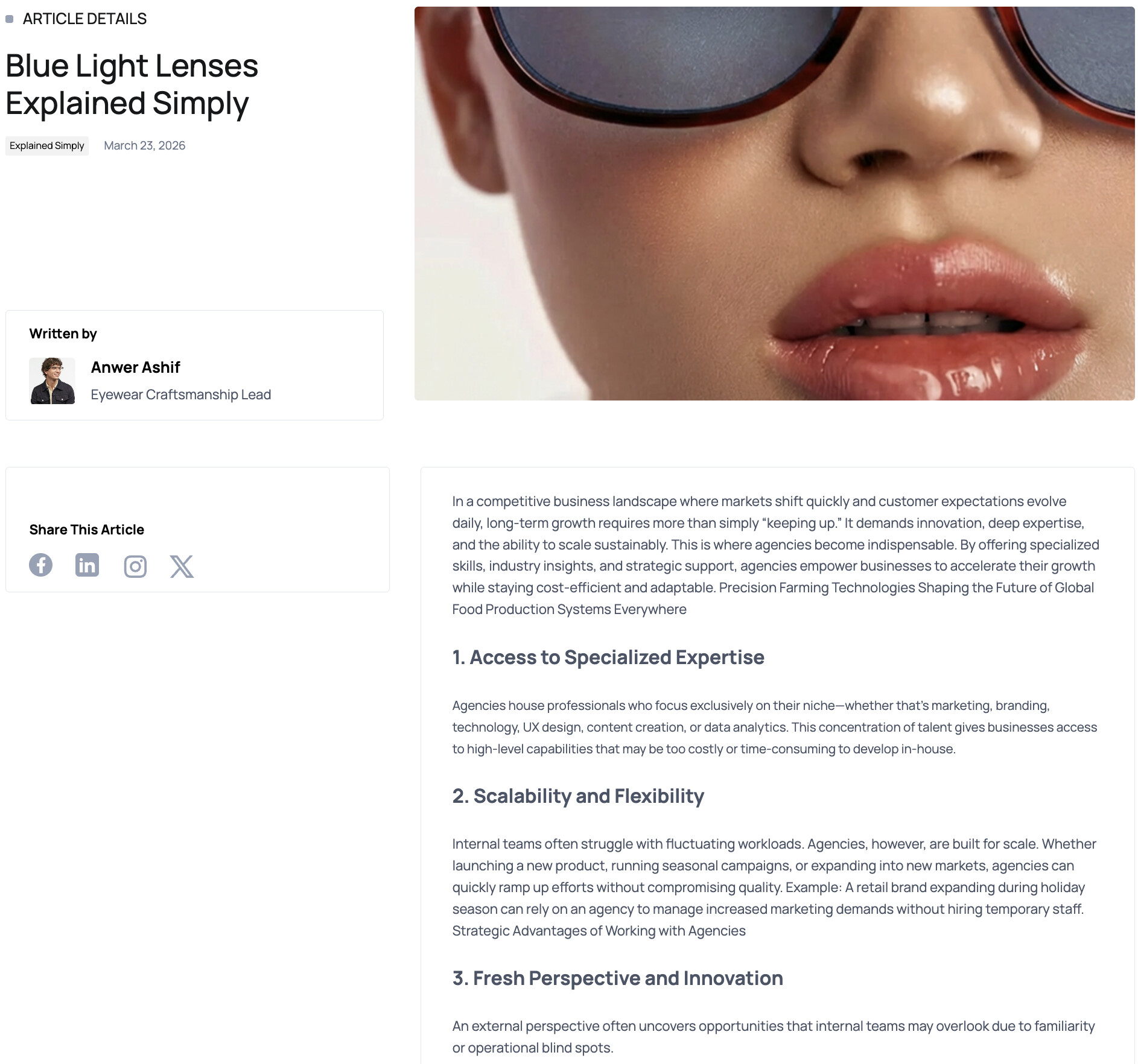
- Funnel Landing – Matching design so visitors feel they’re still on the same trustworthy site.

- Checkout & Upsell Pages – Consistent styling that reduces friction and reinforces brand trust at the moment of purchase.
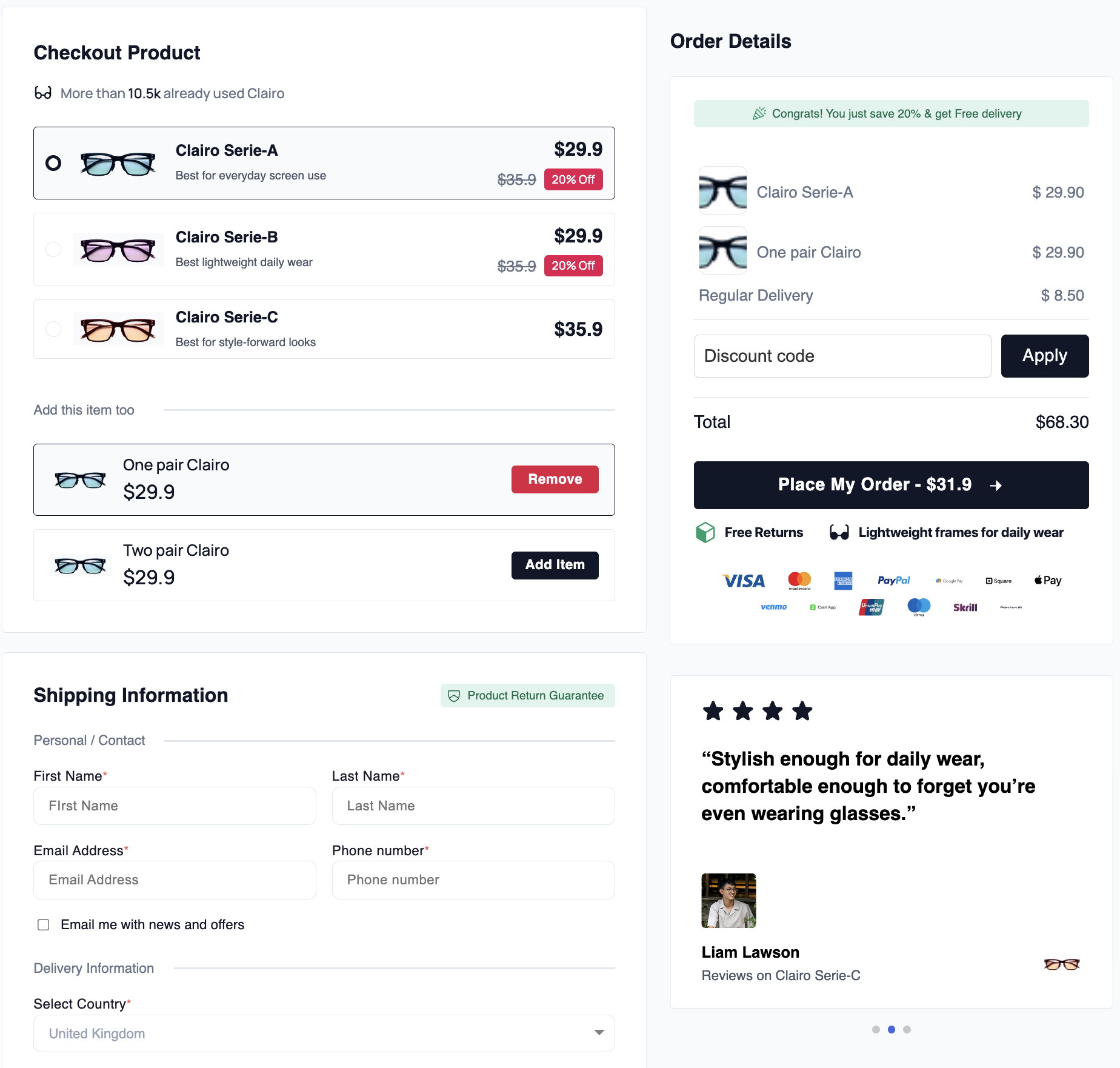
If you’d like to try this cohesive setup yourself, Funnelish offers ready-made blog templates and funnel templates that are designed to work together using the same editor. You can access and import them directly from your Funnelish dashboard (go to Funnels or Blogs and look for the template options when creating a new one).
 If you’re interested in the Eyewear Funnel Template (designed to sell sunglasses and maximize conversions) showcased above, you can access it here.