Let’s be honest: spending your first £1,000 on Meta or TikTok ads feels like throwing money into a black hole. You watch the daily spend tick up, crossing your fingers for the “Cha-ching” notification, but often, the math just doesn’t seem to math.
Today, we are pulling back the curtain. No fluff, just pure transparency.
If you want to scale, you need to know exactly where every penny of that £1,000 goes, and more importantly, where it gets lost.
Let’s break down the actual journey of your ad spend: CPM → Clicks → Conversions → Profit.
The £1,000 Ad Anatomy (A Realistic Example)
Let’s say you are selling a product for £60. Here is what an average, realistic first run looks like:
-
1. The Impression Tax (CPM): £10 CPM
-
What it is: Cost Per 1,000 Impressions. You are paying the platform just to show up in the feed.
-
Where the money went: Your £1,000 buys you 100,000 views.
-
-
2. The Attention Filter (Clicks): 1% CTR (Click-Through Rate)
-
What it is: Out of 100,000 people scrolling, only 1% actually stopped and clicked your ad.
-
Where the money went: You now have 1,000 visitors. You just paid £1 per click (CPC).
-
-
3. The Trust Test (Conversions): 2% Conversion Rate
-
What it is: Out of those 1,000 visitors, only 2% pulled out their credit card.
-
Where the money went: You got 20 Orders. Your Cost Per Acquisition (CPA) is £50.
-
-
4. The Harsh Reality (Profit)
-
You spent £50 to acquire a customer who paid £60.
-
Subtract your product cost, shipping, and processing fees… and you are likely in the negative.
-
The Black Hole: Where Your Money is Actually Lost
If your first £1,000 didn’t make you rich, it’s usually because your money leaked out at one of these three stages:
Leak #1: The “Scroll-Past” (Bad Creative)
If your CPM is high and your CTR is below 1%, you aren’t paying for traffic; you are paying to be ignored. Your creative isn’t stopping the scroll or selling the click.
Leak #2: The “Load Time Bounce” (Slow Tech)
You paid £1 for a click, but the user closed the window before your site even loaded. Every second your landing page takes to load kills your conversion rate by up to 20%.
Leak #3: The “Cluttered Aisle” (Distracting Stores)
This is the biggest culprit. You paid for a highly targeted click, but you sent them to a standard eCommerce product page. They saw a hamburger menu, an “About Us” link, a newsletter pop-up, and 4 related products. They got overwhelmed and left. You paid for their attention, and then you distracted them.
Read more on: Why Smart Dropshippers Are Ditching Traditional Stores for Direct-Response Funnels (And How It Impacts ROAS)
The Fix: Stop Leaking with an eCommerce Funnel
You can’t control Meta’s CPMs, but you can control what happens after the click.
If you are paying £50 to acquire a customer (CPA), you cannot survive on a £60 Average Order Value (AOV).
This is where you have to shift from a “Store” mindset to a “Funnel” mindset.
Instead of sending expensive ad traffic to a leaky, distracting product page, send them to a dedicated sales funnel.
- Remove the navigation menus so they only have one option: Buy.
-
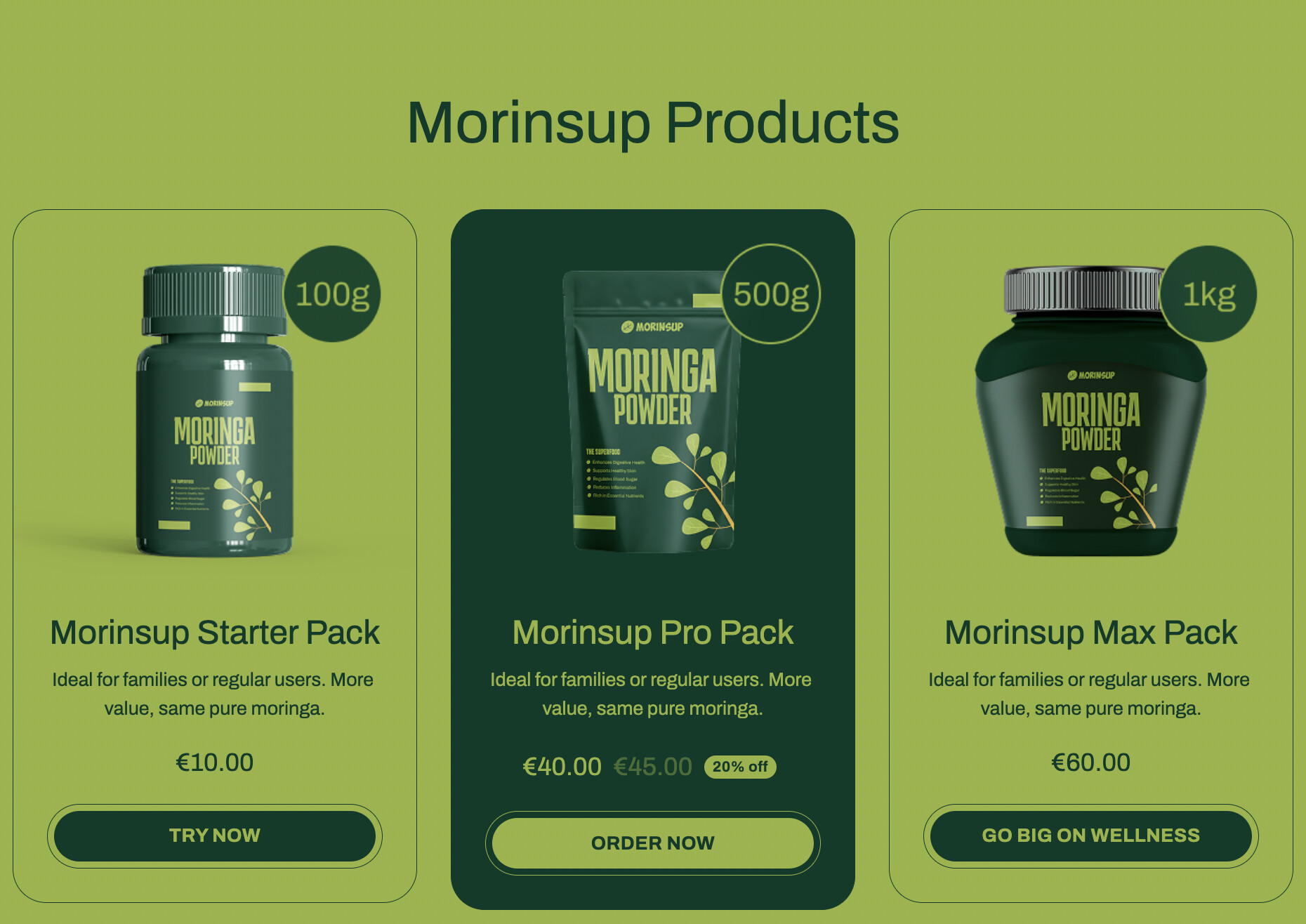
Add a pre-purchase Order Bump.
-
Add a One-Click Upsell immediately after checkout.
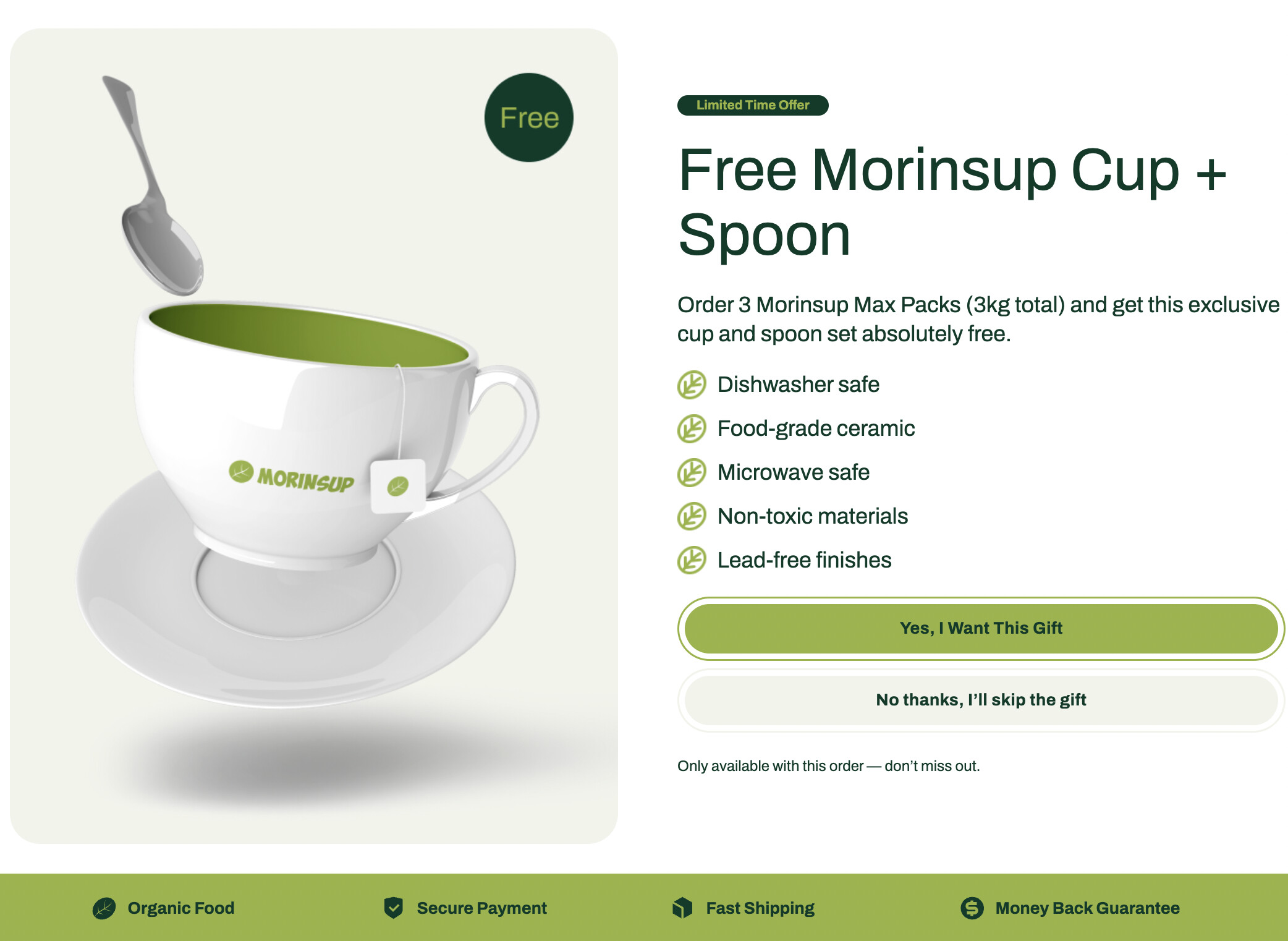
Suddenly, that same £50 CPA brings in an AOV of £95 instead of £60. You didn’t change your ads; you just stopped wasting the traffic.
In dropshipping, your product margins are already tight. You don’t own the manufacturing; you own the marketing.
Let’s look at that math again. If your product costs you £20 to source and fulfill, and Meta is charging you £50 to acquire a customer (CPA), a standard £60 Average Order Value means you are losing £10 on every single sale. You literally cannot afford a leaky store.
An eCommerce funnel flips that script. By pushing that AOV to £95 with a simple order bump and one-click upsell, you go from losing £10 per order to making £25 profit, without touching your ad account, without changing your creative, and without begging the algorithm for cheaper CPMs.
It begs the question: How many “failed” dropshipping products were actually just failed landing pages? 